How to Develop Bold Volunteer Management Strategies
What is the very best your nonprofit can achieve in partnership with volunteers? Have you thought about volunteer management strategies lately? Or, when you dream of the future, do you stop yourself short? You’ll only be disappointed anyway, right?
Wrong!
To make big difference in the world, you have to have the courage to try and even fail.
But, what if you’re afraid?
Sometimes limiting beliefs hold us back from our true potential. We hesitate rather than taking daring steps. We reserve our dreams for another day. We don’t even get started because we are certain we will fail.
But, how can failure be certain? What if the impossible suddenly became possible?
Dreaming Doesn’t Cost Anything
Sometimes, the best solutions come from a little daydreaming without barriers or self-criticism. It doesn’t cost you anything to dream a little.
Big results don’t happen without big dreams. So, take a moment to go where your thoughts lead you. And, resist the excuses: the “Yeah, but’s.” They only serve as artificial barriers to your journey. Dreaming can give you the foundation you need to come up with solid volunteer management strategies and execute actual change.
After all, real, lasting change requires big, bold visions. And here’s the good news: people can get behind big, bold visions.
Muster up the courage to plant a big, eye-catching stake in the ground. Take the necessary time to dream, develop, and communicate a better, colorful vision for your shared future. And, people will most certainly join the party.
Invite Others to Dream With You
When your coworkers start noticing your changed mindset, they’ll be curious about what sparked that change. Curiosity can be a powerful catalyst to propel you forward. So, don’t come right out and tell them your dreams. Instead, ask compelling questions to fuel the fire.
Here are some ways to get the conversation started around new volunteer management strategies:
- How can engaging community volunteers help our organization meet our mission more effectively?
- What are innovative ways we can partner with volunteers to improve our talent & social capital?
- Where are our most critical gaps?
- What is the absolute best we can do right now?
- What might we be able to adjust to be even better?
Ask your co-workers, your boss, your volunteers. Keep asking until you see new possibilities emerge. This continual asking builds relational bridges. Asking the right questions prompts a “collective entrepreneurial” approach that inspires buy in and collaborative solutions.
Defeat the Overwhelm
Developing a thorough visioning process can be exhausting. You and your team come out on the other end with a never-ending list of ideas. How can you tackle it all without being overwhelmed?
You don’t have to.
Instead of trying to do everything at once, focus on doing the right things at the right time. Focus is your friend and can bring great stamina for the long road toward your new reality. And, all it takes is a bit of clarity and a little pruning.
Four Keys to Getting the Right Things Done at the Right Time.
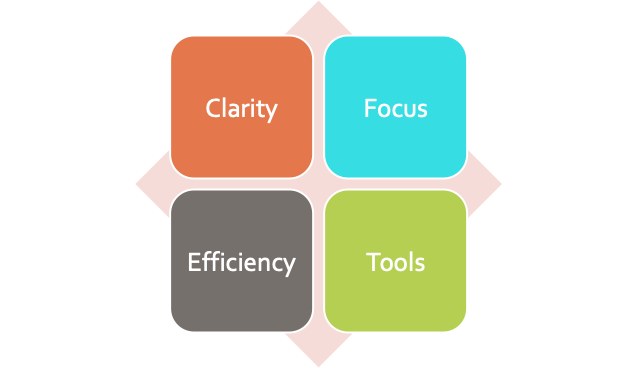
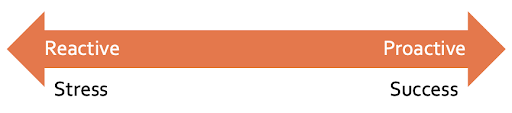
If you consider all the volunteer management strategies equally important or urgent, you’ll likely experience more stress than success. So, it’s a good idea to narrow everything down to 3-5 actionable priorities that can get you closer to your true vision of success.
The Law of Disproportionate Effect says: In any system, a few inputs always produce a higher level of outputs than the rest of the inputs to the system. For example, a small number of your volunteers produce a higher percentage of your program results.
Productivity is nothing more than doing the right things at the right time. Anyone can be busy. But, people who focus on goals are productive.
In order to effectively focus on goals, you must have clarity as to which ones are most important. Remember when you say “yes” to one thing, you say “no” to at least one other thing.
Strive to focus on the 20% of your responsibilities that generate 80% of the results by choosing 3-5 priority goals. The more proactive you can be, the less stress you will feel
Planning Reduces Stress: Urgent vs Important Activities
Urgent activities demand immediate attention and are often associated with someone else’s goals. We tend to spend a lot of concentration on urgent activities. They demand attention because not dealing with them causes immediate consequences.
Important activities, on the other hand, lead to achieving your goals – whether professional or personal.
So, ask yourself: What is the single thing I need to do now that will have a big payoff for myself, my program, department, or organization?
Just Say No: The Art of Letting People Down
If you thought visioning and goal setting was exhausting, maintaining focus on your chosen volunteer management strategies is much more challenging. But, you must protect your time in order to achieve your vision. If you don’t, you’ll find yourself quickly losing momentum.
So, it’s imperative you master the art of letting people down. You must learn how to say “no” to things that don’t contribute to your goals
Being assertive without being disrespectful is key. Say no, then give one honest reason why you can’t help. Recognize that the other’s reaction is his or her right, but not worthy of a “yes” at cost to your focus. You may also offer alternatives, but only if it makes sense and doesn’t knock you off your game.
You can also ask your boss to help rate your priorities. But if you do, make sure you’ve let them in on your vision and communicated to them why it is so important to achieve right now. You’ve got to paint a compelling vision that your boss can get behind, or they will put it at the bottom of the list.
Maintain Good Mental Hygiene
As you move toward realizing your bold vision, find your supporters. Don’t let naysayers or deterrents get in your way. And, reward yourself for staying on point.
Set up ways to remind yourself of your goals and vision, especially when things seem to get chaotic. Schedule a weekly appointment with yourself to plan your work week and review your progress.
What you tell yourself often affects your energy and enthusiasm for your work, as well.
If you are feeling victimized because you are not making progress toward your vision, change your internal storytelling. Try looking at the situation from a different perspective by asking one of these three questions.
Change Your Inner Monologue With These Wise Questions
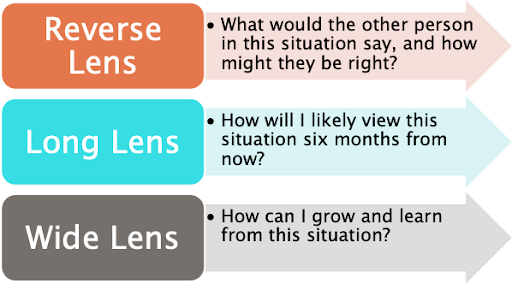
Note: This also works when coaching volunteers who are feeling disempowered!
Build Bold Volunteer Management Strategies With Our Free Worksheet
How can you raise the bar on volunteer services? The first step is to create your vision. This worksheet will help you develop a clear picture of the future that’s both exciting and doable.
This time saving tool will help you:
- Define your big, bold “moonshot”
- Focus your efforts on things that have significant impact on your mission
- Brainstorm WOW! Factors for every step of the volunteer lifecycle