April 9, 2026
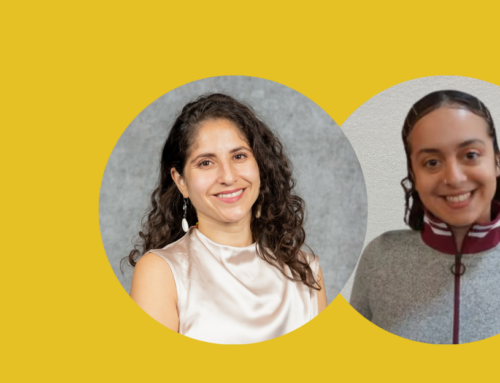
Episode #209 – Impact Lab POV: Leadership and Influence with Megan Vixie
Leadership in volunteer engagement is not defined by title or workload, but by the ability to influence, align, and inspire others toward a shared vision. Many leaders stay busy managing day-to-day tasks, yet struggle to step into a more visible and strategic role that drives real organizational impact.
In this episode of the Volunteer Nation Podcast, part of the Impact Lab POV Series, Tobi Johnson sits down with Megan Vixie, a seasoned nonprofit leader, to explore how professionals can grow their leadership presence and expand their influence. Drawing from her journey from volunteer to Chief Engagement Officer, Megan shares practical insights on mindset shifts, intrinsic motivation, and the importance of cultural competence in leading effectively.
Together, they unpack what it means to move from simply “working in your program” to intentionally “working on your program,” and how visibility, voice, and vision play a critical role in advancing both personal leadership and organizational success. Megan also offers actionable strategies to help listeners speak up, leverage their unique strengths, and align their work with broader strategic priorities.
If you’re ready to elevate your impact, build confidence as a leader, and step into a more influential role within your organization, this conversation will give you the tools and perspective to get started.
Leadership and Influence – Episode Highlights
- [00:00] – Introducing Megan Vixie and the impact of volunteerism in today’s world
- [02:11] – Megan’s volunteer story and path to leadership
- [04:25] – The role of passion and purpose in volunteer engagement careers
- [09:07] – Why volunteerism is vital amidst societal stressors
- [13:08] – Common misconceptions about career growth in the volunteer field
- [16:29] – Mindset shifts: Using vision, visibility, and voice
- [20:27] – The importance of owning your influence regardless of title
- [23:22] – How influence intersects with organizational strategy and influence
- [28:48] – Practical steps to build confidence and speak up effectively
- [36:37] – Real-world example of shifting mindset to leadership success
- [39:53] – Starting small when seeking to enhance your influence
- [45:45] – Building trust and partnership through listening and affirming
- [48:48] – Encouragement to take risks and have tough conversations
- [52:11] – Megan’s upcoming advanced seminar and how to join
- [54:10] – Megan’s vision for the future of volunteer engagement leadership
- [55:23] – Connecting with Megan and learning about her work
Leadership and Influence – Quotes from the Episode
“Your intentionality is really about owning who’s in charge of your life and your career. You can either wait for someone to tap you on the shoulder or you can move forward. I think also, I think you’re spot on when you talked about who is the expert here.” — Tobi Johnson
“When you really think about it, whether you’ve been in this field or you’ve volunteered for a year or 20 years or 40 years, you can see that volunteers are primed to achieve an organization’s mission. I mean, they’re often from the community they’re serving or they’re personally connected in some way to the cause. And that really matters because there’s this intrinsic motivation and connection.” — Megan Vixie
Helpful Links
- VolunteerPro Impact Lab – https://volpro.net/join/
- Volunteer Management Progress Report – https://volpro.net/volunteer-management-progress-report/
- Volunteer Nation Episode #017: My Top 12 Nonprofit Leadership Tips Learned the Hard Way – https://volpro.net/017-my-top-12-nonprofit-leadership-tips-learned-the-hard-way/
- Find Megan on LinkedIn – https://www.linkedin.com/in/meganvixie/
- Arrive Circa Now website – https://www.arrivecircanow.com/

Megan Vixie
Owner of Arrive Circa Now & the Chief Engagement Officer for Beach Cities Health District
Megan Vixie, MPA, CVA, PHR, SHRM-CP, CEC, is a collaborative and forward-thinking leader who leverages people strategy to advance organizational impact. She is the owner of Arrive Circa Now, LLC, an executive coaching and consulting firm where she partners with boards, CEOs, and executive teams on strategic planning, workplace culture, organizational development, volunteer engagement strategy, and career growth for emerging leaders.
A nationally recognized trainer and licensed Service Enterprise provider, Megan supports organizations in maximizing the power of volunteer engagement to achieve their mission. She also serves as Chief Engagement Officer for Beach Cities Health District, one of the nation’s largest preventive health agencies.
A lifelong volunteer and dedicated learner, Megan contributes her expertise to the field through advisory roles with the Association for Leaders in Volunteer Engagement (AL!VE) and DOVIA–Los Angeles, and as a facilitator for AL!VE’s Emerging Leaders Mentor Program.
About the Show
Nonprofit leadership author, trainer, consultant, and volunteer management expert Tobi Johnson shares weekly tips to help charities build, grow, and scale exceptional volunteer teams. Discover how your nonprofit can effectively coordinate volunteers who are reliable, equipped, and ready to help you bring about BIG change for the better.
If you’re ready to ditch the stress and harness the power of people to fuel your good work, you’re in exactly the right place!

Contact Us
Have questions or suggestions for the show? Email us at wecare@volpro.net.
Rate, Review, & Follow Us on Apple Podcasts
If you love the content Tobi shares on the Volunteer Nation podcast, consider rating and reviewing the show! This helps us reach more people – and help more good causes just like yours – successfully engage enthusiastic, dedicated volunteers with less stress and more joy.
Click here, scroll to the bottom, tap to rate with five stars. Then, select “Write a Review” and let us know what you loved most about this episode!
Also, if you haven’t done so already, follow the podcast so you don’t miss a thing. Follow now!
Subscribe to ProNews: Our Weekly Resource Roundup
If you’d like to stay up to date on all new podcasts, blogs, freebies, and deals posted on our Tobi Johnson & Associates and VolunteerPro websites, subscribe to our weekly ProNews newsletter.
Every Wednesday, we’ll send you a digest of our freshest content, plus a bonus! Once you confirm your subscription, you’ll get our [Free eBook] The New Volunteer Manager: The First 90 Days.
Episode #209 – Impact Lab POV: Leadership and Influence with Megan Vixie
Tobi Johnson: Welcome to the Volunteer Nation podcast, bringing you practical tips and big ideas on how to build, grow, and scale volunteer talent. I’m your host, Toby Johnson. And if you rely on volunteers to fuel your charity cause, membership, or movement, I made this podcast just for you.
Welcome everybody to another episode of the volunteer nation podcast. We are kicking off an impact lab POV series with my friend and awesome human being Megan Vixie I’m going to introduce Megan in a minute, but I wanted to give you a little bit of overview of what this POV series is all about. We’re going to spotlight bold ideas and practical strategies for our new volunteer pro impact lab guest advisors who are hand selected to help us share with our members what the future of volunteerism looks like, what our organizations need to be doing right now when it comes to volunteerism.
And so we thought in each episode of our six episode series, our Volunteer Pro Impact Lab POV series, we’re gonna feature a separate guest advisor and talk to them about their specific area of expertise and their insights around that area. So I’m really pumped to do this. And then we’ll also invite you to go deeper into what they have to share inside our Impact Lab Membership, because they are gonna be leading as we go forward throughout the rest of 2026 and probably beyond.
They’re going to be leading some of our training inside the Impact Lab. And so it’s a really interesting place we’re at in our membership community. We’re starting to expand. We’re starting to bring in more diverse voices. And we wanted to share it with our podcast audience as well. So that’s what we’re here to do.
Guest Advisor, as I said, is Megan Vixie. She is an expert in nonprofit leadership, and development and also a leader of volunteers, a previous Volunteer Pro Impact Lab member when it used to be called the Volunteer Pro Community. Dhe has been in the sector for a long time. So before we get started, I just want to say hello, Megan.
Megan Vixie: Hello, Tobi. Thank you for having me.
Tobi Johnson: I am so pumped. You’re our first POV. And Megan is the owner of Arrive Circa Now and the chief engagement officer for Beach City’s Health District. And Beach City’s Health District does wellness activities in Southern California. They’re a health organization. And so I have a feeling some of this leadership and some of Megan’s perspectives come from this long experience in with this company.
But she’s also has her Arrive Circa Now company where she does leadership development. So she is a respected and collaborative leader utilizing people strategy to execute the strategic direction of organizations, specializing in strategic planning, workplace culture, organizational development, volunteer engagement strategy, and career advancement for the emerging leader. Now, Megan also has many letters behind her name that we’re gonna put in the show notes, but MPA, CVA, PHR, SHRM, CP, and CEC. So she’s really done her homework and built her credentials over her career.
She’s a national trainer and license provider for service enterprise accreditation, coaching organizations on how to best leverage volunteer engagement strategy to achieve their mission. And as I said, she’s the chief engagement officer for Beach City’s health district, one of the largest preventive health agencies in the nation. As a lifelong volunteer and continuous learner, as you can tell, Megan serves on advisory councils for the Association for Leaders in Volunteer Engagement, or ALIVE, and Dovia Los Angeles and facilitates a lives emerging leaders mentor program. So I’m really pumped to have you, Megan. Let’s just kick this off with your volunteer ism birth story. So how did you get into volunteerism in the first place?
Megan Vixie: Well, I volunteered a lot in school. you you go through your school programs and you get introduced to service and that way. when I moved into college, I joined a service organization. That was my first introduction into formal volunteering with different nonprofits in the LA area. And I really enjoyed it. It gave me a lot of purpose and I was passionate about working with youth. So when I graduated with a degree in theater. So, you know, of course, like all the opportunities before me, I really had a moment of what am I going to do with this? So what do I love doing though? And I loved volunteering. So I decided to serve for a year in AmeriCorps and I worked a lot with afterschool programs, building intergenerational programming, as well as running a…
Tobi Johnson: I do know.
Megan Vixie: …after-school program where I was able to use theater as well. So kind of got a taste of that and realized, you know, with my fancy title of volunteer development specialist in AmeriCorps, ⁓ I didn’t realize this was a job. So that was my introduction now to the professional world of volunteer engagement. So when I finished my year in AmeriCorps, you know, Googled or Yahoo’d at the time.
Volunteer coordinator and just saw jobs that were available and Beach City’s health district had a volunteer coordinator position and I applied and the rest is history. I’ve been there for over 20 years and I’ve really built up their volunteer engagement strategy to merge with their human resource strategy. So I’m a people strategist. So I worked my way up to chief engagement officer and overseeing entire people strategy at the organization.
Tobi Johnson: That is awesome. And it just goes to show you can grow your own place in an organization. Like it doesn’t have to necessarily exist already, you know? We can bring insights and start to grow. So we’re going to talk about leadership today, but I can see that in your lived experience that you really, you know, started to see where the organization could focus their attention and how they could grow and you basically, know We’re sort of an internal entrepreneur as I see it is am I wrong there?
Megan Vixie: No, I, you know, what happens many times, and I’m sure all your listeners usually appreciate, you are a department of one most of the time. You go in there and nobody is there to guide you, because this is not what their role is. And that’s how 20 years ago, nobody was doing volunteer engagement, you know, to the C-suite, to the leadership level, and I was placed in a different department. There was no volunteer engagement department. And so I had somewhat of a blank slate. At the district, they had some volunteer programs, but they didn’t really have it holistically integrated throughout their organization. So I had a great opportunity to build that. And that was what was really exciting for me, because that’s how it was in AmeriCorps. Also wasn’t a lot of structure.
So I really got to learn from the ground up and I’m, you know, kinesthetic learner. I have to do it. I have to do the learning and apply it to make it stick. So I had a great time building that at the district over these last 20 years and it never gets old. You know, this is the best part about our job is that there’s going to be new or emerging issues or causes or things that we have to focus on and we have to be flexible and adaptable and we get to really be strategists and I think we just don’t do the best job showcasing that many times. So that’s an area for our field to really grow and develop it.
Tobi Johnson: Yeah, we’re gonna talk a bit more about leadership and influence and really, you know, talk. Concretely about what people might be able to do and how they might be able to see themselves differently. I think part of it is that. But before we do that, let’s talk about volunteerism in general. Fast forward 20 years later, why do you think volunteerism is so important in today’s world? We are in a rapidly changing world, a world some would say is in crisis.
But definitely there are stressors on society and around the world. What do you think about volunteerism in today’s world? Why is it important from your perspective and where you
Megan Vixie: Sure, think when you really think about it, whether you’ve been in this field or you’ve volunteered for a year or 20 years or 40 years, you can see that volunteers are primed to achieve an organization’s mission. I mean, they’re often from the community they’re serving or they’re personally connected in some way to the cause. And that really matters because there’s this intrinsic motivation and connection.
That really goes beyond what an employee can do. They usually bring their lived experience and also the cultural competence you needed many times for those that are being served. they don’t just serve the community, they’re usually the community that’s also being served. So because of that, there’s a lot more ownership and buy-in around the impact that they can make. And it really helps build trust with the community in which they’re serving.
So I really think that’s a way, it’s like you’re addressing the challenge or the issue from the inside out, right? And I think that’s where volunteers go beyond what a staff person can do. And it really shouldn’t be, well, staff can do this because many times they are not the right person to deliver a service. They’re not the right person to connect on that deeper level to the community they’re serving. So volunteers have this unique relationship.
That would really take an organization farther than probably they would have ever been to do if they were just
Tobi Johnson: Yeah, yeah. I think that really, you know, points to the skill sets and diverse experiences that volunteers have that just are value added. You know, you know, not to say employees don’t have skill sets because they do, but, know, there’s just every person brings a unique set, even if we’ve had the same, even if we’ve had the same education, same training.
Tobi Johnson: We also have like all of the other experiences in our lives. I used to run programs before I started my consulting practice, my last job, ran ⁓ a statewide program with, the majority of our volunteers were retirees. And I used to say, we are the beneficiaries of all of their training, their professional development throughout their careers, their school of hard knocks lessons, like every, of everything they bring to the table is like a long lifetime of knowledge that, you know, in a lot of ways, volunteerism is knowledge work.
Megan Vixie: Yeah, there’s no, just because you’re a volunteer doesn’t make you lesser than an employee. We’re all people. So, and if we just take away the labels and look at the skill sets, I think we can get a lot farther in what we can accomplish. And volunteers can be CEOs, volunteers can be any position in an organization, because that’s who we are and what we can bring. So I think once we start thinking that way and expand our capacity and allow people in, and like you said, there’s a deeper level and connection that come with volunteering that doesn’t always come with staff. So we need to capitalize on that and leverage that.
Tobi Johnson: Yeah, absolutely. So let’s dive into leadership and influence, which is really your area of expertise, along with a lot of other things, but an area you like to focus on and like to teach on. What’s a belief you hold about growing your internal leadership and influence that most people you think in our field of volunteer engagement tend to get wrong?
Megan Vixie: Yeah, this is a great question because I think the first thing that comes to mind is that we sometimes think in order to move up, we have to do more or we have to work harder and it’s about time and that investment. And it’s really about being more intentional and strategic in the moment.
One of the things that I’ve thought about, focus on the three Vs, right? I focus on vision, visibility, and voice. So how are we articulating our vision? How are we painting the picture of how volunteers are critical in our organization? How are we strengthening our own visibility to the work that we’re doing or to ourselves so we’re seen for the value we’re bringing? And then how are we actually using our voice? How do we speak up?
With confidence or speak up with courage many times, you know, and get past our limiting beliefs or what may be holding us back and make sure that we’re advocating for that vision or our own role. You know, it’s not just about doing more. It’s doing these things in the right place, in the right time, in front of the right people. You know, we really have to be intentional and strategic about our own career development, our own strategy for the organization, and not just keep doing the day-to-day work, those busy tasks that pile up and I’m doing more volume, but at the end of the day, you don’t wanna say, wow, I worked really hard today, I have no idea what I did. Like that is the change that we have to make in our own mindset to say, if I only accomplished this one thing today or three things today, this will really drive the strategy forward. And the rest is great, but like we just have to be really intentional around.
Tobi Johnson: Yeah, we inside the membership, we talk about working in your program versus on your program. And so in your program are those sort of fires you’re putting out and you’re backing up people, you’re doing the day to day. And on your program is really taking time out to think through strategically where you’re gonna go.
You know, generally around program development. But it takes intention to actually carve that time out on your calendar. you know, in the Impact Lab, we do quarterly planning sessions where we actually spend time and our members come and we do together, we plan out our next 90 days. So we can actually create space in our calendars for this type of intentional proactive work that you’re talking about. And when you think about leadership, and influence in your own career, what sort of transformation or what is something that changed your mind over time. So we’ve talked about what people get wrong, which is, you know, I’ve got to do more with less or more with more even. and if we just paddle faster, maybe somebody will notice us. Right. And if I just if I just like work weekends and work late nights, that maybe I’ll make I’ll break through somehow. But in your own life as a leader and your development as a leader, What’s a mindset that changed in…?
Megan Vixie: Sure, think the biggest one is around using my voice. And I’ve seen, and maybe it’s a generational thing. So I’ve seen kind of this play out a little bit more, maybe in my generation or the one before me where it’s similar to what you said. You do the work and someone will notice and all of a sudden one day someone will walk up to you and say, Megan, you’ve done a great job. We’re promoting you. it’s, yay, I did it as opposed to. Megan saying where Megan wants to go and articulating it and saying, Hey, I see this vision. What can be done? Is this something that the organization sees? And that happened for me when I started in volunteer engagement. I was doing that for a few years and I wanted to move up. didn’t know how. And like you said, I love to collect the alphabet behind my name. So I went back to school.
Tobi Johnson: Right?
Megan Vixie: And you know, I got my certifications and after that I went to my boss and said, I want to go into management. This is what I’ve been studying. I’ve been preparing for this. Like what are opportunities for me? And she freaked out because she thought, no, I don’t have a plan for this. Megan’s going to leave.
I don’t know where she can go in management. She talked to the CEO. The CEO at the time didn’t necessarily see volunteer engagement as its own department, saw it as having a manager leading it. They talked to the director of HR and she said, well, I could use some help in HR. And what if Megan came into the HR department and, you know, it’s kind of like leading people. So maybe she could lead people on the HR side and there could be a more recognized managerial track, right? Because they didn’t see it at the time for volunteer engagement, but HR made sense. know, they’re like, yeah, you have an HR manager, you have HR directors, so that made sense. And so using my voice around this to say and vocalize, I want to be a manager. And I see it with volunteer engagement, and they didn’t. And so I had a choice to make. I had to say, do I move into HR and learn a whole new industry in order for me to move up.
And at the time, know, an industry not many people felt fondly about. So that was struggle for me. And that was one of those pieces where I had to say, I can either let this happen to me and just kind of, you know, whatever comes my way, or I can make every day move in the direction of making this department the best thing it’s ever been. We will be the best HR department. And I am also gonna demonstrate and show volunteer engagement is strategic in this organization. And I will use it through the comprehensive engagement and people strategy we’re going to build. And so I think that mindset of, have to lead this. I cannot wait for somebody else to lead it because they don’t see it. This is not their area of expertise.
I am the expert. So how am I communicating this? How am I integrating it and how am I leading it? And so it didn’t matter what my title was. I think that’s what people get hung up on a lot is I have to have a title or a position in order to showcase and leverage this work. And you do not, you could do it at any level. You just have to voice it. You just have to be intentional and strategic where you’re placing yourself, talking about and engaging with your fellow colleagues in the community. Like you have to drive it. So once you switch in that mindset and say, no, I’m in charge of this, doesn’t matter what my title is, I’m in charge, then I think you’ll see the results that you’re hoping to gain.
Tobi Johnson: I, it’s interesting because it’s a shift from who’s in charge of my life and my career, right? So is my employer in charge of my life and my career or not? And, you know, I was the same way when I started out in the work world, you know, I’d come out of a master’s degree in a liberal arts.
I had a liberal arts art history degree and I started working in the nonprofit arts community. And I quickly realized, you know, first of all, it was a very chaotic and underfunded. There was a lot of cuts going on, similar to what’s happening right now across the sector now. But in the in then the NEA was cut. National Endowment for Arts was cut radically like their funding was like overnight. Oregon arts organizations lost federal funding.
And so was a really chaotic environment. And so it was by necessity, I had to take control because otherwise I would be waiting around for jobs that may or may not ever come. And my intention always was to work in nonprofits from day one after I graduated. So I ended up pivoting and working in social services and direct services with youth programs, which was fantastic. And I didn’t regret it at all.
But I knew it was my own career. every, you know, once I got into my first sort of real job after college, I started thinking like, what, what’s my three year plan? And so like you, a continuous learner.
I always had in the back of my mind, what’s my three-year plan? Where am I going to be in three years? And what skill sets can I start to bring on board so that I’m positioned for that next step? so that meant sometimes volunteering for specific projects. Sometimes it was taking additional training. Even when I started my career as a consultant, I immediately got my CVA credential because I didn’t have it before then.
And you’re a CVA as well, so you know it’s not always easy to get your CVA for everybody. So I like that what you’re saying about, you know, your intentionality is really about owning who’s in charge of your life and your career. And either you can sit and wait for people to tap you on the shoulder or you can move forward. I think also, I think you’re spot on when you talked about who is the expert here.
And leadership and influence, it requires leadership with influence, right? You have to lead people to a place. They’re not going to just all of a sudden wake up one morning and realize. They might if they’re very, some leaders are very in touch, but most of the time, we’re the experts we have to lead. So when you think about leadership and influence right now at this point in time…
Megan Vixie: Yeah, exactly.
Tobi Johnson: Why do you think it’s critical for leaders of volunteers to make this shift in the first place and of, you know, really leaning into leading the strategy?
Megan Vixie: Yeah, if we don’t, I think it’s what we’ve said, if we don’t do it, who will? And we need to take that ownership. And if we don’t do that, then we aren’t going to get the results we want. if, you know, I’ve heard a lot from our volunteer engagement professionals that they want to seat at the table. Like that’s, you know, we even talked about it, you know, at conferences and in these sessions and.
Tobi Johnson: Right?
Megan Vixie: And people are, they’re hungry for this. They want that. And so I think, okay, well, when I hear someone say that, that also means, okay, I want to sit at the table because I want to be part of the decision-making process. I want to be able to add my thoughts and opinions, recommendations to the overall strategy of our organization. So we want to be invited into this space, but if we are invited in and we are not contributing.
Why are you there? Like you have to be vocal. You have to show value. so if you, you know, if you’re just there and you’re saying, well, I want to be there. Okay. Well, like, what do you add? What are you, are you just wanting to be there? So you could say you were, or that you can saw how the decision, you know, was made so you can disagree or agree with it. That’s not why people are in these rooms and in these spaces. They’re there to contribute.
They’re there to help make a decision that drives your organization forward. So if you’re just sitting there, you’re not showing your buy-in. You’re not showing ownership over the problem or the decision that’s being made. So if you want volunteer engagement to be a key function at your organization, you have to strengthen your visibility in that space. You have to use your voice. It doesn’t matter what level you’re at.
You just need to contribute. Just say something.
Tobi Johnson: Yeah, well, and you know, I remember early in my career being in rooms where I was often the youngest person and often felt, well, you know what, I’m doing my work to know my craft. And you know, at the time it was around marketing, outreach, et cetera.
And so I just did everything I could to know everything I could about public relations, marketing, community engagement, outreach, and was working with people actively to get them involved in my plans too, right? Because I knew I was like one person, in my case, I was one person in a four state region. There was no way I was gonna be able to do all the outreach myself. so I got, so when I came to the table, I’d speak up and say, you I might have a solution to that.
Megan Vixie: All right.
Tobi Johnson: And have you thought about blah, blah? And often because I was doing all of the reading and studying, et cetera, and I was looking outside for multidisciplinary and different places that my coworkers weren’t looking because they were so, you know, head down into the problem solving they were taking part in, that I would be able to bring like something really novel and they’d be like, look at that young and coming with an idea there. Or I’d say, you know, there’s been some research on this do.
So I would bring, you know, I’d be really good at research and just staying on top, you know, really staying on top of my field. I remember I used to get this newsletter called the PR Reporter, and it was a piece of paper. It was like two, it was when newsletters were paper, and I would get it once a week, and it was like four pages folded, like just a folded and it was chock full of PR public relations advice from this super expert guy.
Megan Vixie: Right.
Tobi Johnson: This was way before, like, you know, email newsletters. And, you know, I would eat it up every week. So I would get better and better and better and just continuous continuously improve. So, you know, I know it can be done. It takes bravery. know, Shirley Chisholm used to say like, you know.
You know, if you don’t have a seat at the table, pull, pull a chair up, you know, even if it’s a folding chair, pull it up, you know, like you just, know, like, Hey, I see this, you know, I see this meeting’s happening. I’d love to sit in, you don’t get invited, you know, knock on the door, you know, figuratively. when you see folks who are really hesitant to do this, you know, what, what do you think?
If they don’t grow their internal leadership and influence in the right way, what happens?
What’s sort of the downside of going, well, I don’t know if I want to do this. This looks scary. I don’t think people are going to be in my organization are going to be wanting me to offer this type of insight. I don’t think they welcome my influence or they don’t value volunteers, et cetera. We sort of take that as the endpoint. And I’m like, no, that’s not the endpoint. That’s an invitation to educate people, right?
Megan Vixie: Mm-hmm. Right. Right, yes, you are right on track. think the, and I can’t say what’s right way or wrong way to do something in your organization. It all depends. And you know the most about your personal situation, your organization, who the decision makers are, what are the limitations, you know, all these things. But if you do nothing, then these decisions that impact you are going to be made for you.
They’re not going to be made with you. So it’s really hard sometimes when I hear that too of like, my organization this, my organization that, and it’s like, well, what have you done to change any of it? And at least you could say you tried. So it’s really about, you’re not going to change it overnight. However, there are small things you can do almost every day.
To the type of role or organization that you want to work for. In the end, is it going to be the one that you’re at now? I don’t know. Maybe it will, maybe it won’t. But you get to decide these things. You get to choose how you show up. You may not always get to choose what you do or specifically all the things that are in your role, but you get to determine.
How it will play out, how you will conduct yourself, how you will conduct the work, and who you can get in front of to see that. Again, if you’re not going to be an active participant in the strategy or working with your supervisor to change the view of volunteer engagement at your organization, then it won’t change.
Will, it will feel like the hamster on the wheel. You’re just going to keep doing the same thing over and over. So make those choices, even if they’re tiny to just, it’s like a muscle. We’ve got to flex that sometimes to, get stronger at it. And so what can you do today that will have a positive impact in the days, weeks, months, years to come.
Tobi Johnson: Yeah, I mean, and think about how many people you’re actually impacting with the changes you’re proposing, you know, whether it’s more resources or, you know, a way to.
change the way you’re working with volunteers, to appreciate volunteers better, to get access to the strategic plan of your organization so that you can align your work with that. There’s all kinds of things that we want. I remember really as a leader, it was almost at some point, you. I remember I was promoted and I had this hesitation after I was promoted to a director role where I had a hesitation about what steps and to take next and I was almost waiting for permission and I at some point realized so it happens this these type of I should point out these type of hesitations in putting yourself out there happen at every level not just entry level.
Right. Because I had already been promoted. And I remember I was sitting there and I was sort of like, and I said to myself, who whose permission are you waiting for? Nobody knows what you do anyway. So just go for it. You know, figure out what you know, do some assessment, figure out where you’re where your program is at, where it needs to be. And then talk, you know, create a proposal and go talk to your you know, I had a supervisor, my supervisor. If I came in with good ideas, he was like, great, go for it. You know, was so.
Megan Vixie: Mm-hmm. Thank. Right, yeah.
Tobi Johnson: But there’s this hesitation we have and we’re looking for permission from somebody and in our field in particular, because it’s so not very many people really know what we do for reals that, you know, I could just, you know, hey, I know I’m the expert here. I’m going to make this happen. And so I stopped asking for permission. And once in a while.
I might stick my neck out too far and I’d get us up on the wrist or whatever, but I felt like the risk was worth it because in the end our program grew, our volunteers got better support, our partners got better support. We were just a better program because of it. So for me, the risk was worth it.
Megan Vixie: Yeah, and many times we start with the language of how a change or a request that we want, how it impacts us personally, and not how it impacts the organization, how it impacts the volunteers. So everything you just said right now was about how it made the organization stronger, better, and we are not speaking that way to decision makers. And we need to showcase the value of our work in that context.
Because if we don’t, all they hear is, well, yeah, you wanna get promoted, that’s just cause you want it. How does it help the organization? How does this make a difference for what we’re trying to accomplish? And so if we get better at speaking that language and then come with, hey, I have this great idea if we add this type of program, if we increase our staffing,
If we increased the budget, you know, to include this or that, here’s what we will get. Here’s what, you know, we will increase our volunteer engagement. We will increase our visibility in the community. We, whatever it is that the organization is striving for, you just need to show that the work you do is going to accomplish that. So speaking those terms and not, it’ll make my life easier if we, you know, hired another person and.
It’s like, well, that’s great and all, Megan, but like, we’re not here to make your life easier. So what else does it give me? So more conversations in that frame of mind will probably get you what you’re looking for and it has a dual effect. You feel better, you get what you want, and also the organization will get what they want.
Tobi Johnson: Yeah, absolutely. Well, let’s take a quick break from our chat with volunteer pro guest advisor, Megan Vixie on leadership and influence. Don’t go anywhere after the break. We’re going to do a little bit of step by step and give you a little practical advice to take this forward. So don’t go anywhere. We’ll be right back.
Tobi Johnson:
Hey everybody, have you subscribed to our pro news weekly resource email yet? If not, why not? Each week you get a a research insight, our latest podcast episode, and one practical tip you can use right away. Plus when you subscribe, I’ll send you a few helpful resources via email to take action and get some wins right away. So join 9500. other leaders just like you who are upgrading their practices and making an even bigger impact. Visit volpro.net forward slash newsletter dash subscription. That’s volpro.net forward slash newsletter dash subscription. And I hope to see you on the inside.
Tobi Johnson: Okay, we’re back with our discussion with volunteer pro guest advisor, Megan Vixie on leadership and influence. You know, Megan, let’s talk a little bit about the practicality of this. Can you give us an example, either from your own experience or with a work with with a client where a slight change in someone’s frame of mind or viewpoint around leadership made a big impact?
Megan Vixie: Sure. The one that comes to mind is I had a client who had an opportunity to apply for an executive director position at their organization. Their executive director was retiring. There was a few internal candidates. They wanted to be one of them. And so we worked together to figure out how to position them as the best candidate. And so we started with you know, the vision of, know, what could this person bring to the organization as well as how it fits into their own career plan, their own development.
And so we’re talking about it and the more we talked about it, the more they realized, this is not the role I want for myself. So I felt like, am I talking you out of this? So it was very interesting conversation that we had, because if we didn’t slow down and have them articulate the vision for themselves, they would have been really unhappy moving in that direction, because it wasn’t in the field or the industry that they wanted. They ended up making a lateral move to another agency that they were really passionate about because it was going to be a space they could move up and grow in that met their own personal goals.
So sometimes if we don’t even slow down first and say, is this something I want? Now I’ve always been a person that will say what opportunities there and oh, this is coming my way. Great. You know, and, uh, I will take it for what it is and what I haven’t always been super intentional. However, I know that I have a certain purpose and a certain like my lanes and spaces that I want to be in. So when you’re clear on that, you’re, it’s easier for you to say yes to an opportunity or no, because that’s not, that’s not what I want. That’s not what I will be happy doing. And then I can move in the right direction.
You know, that will ultimately serve my own internal purpose, but then I’ll be the best employee or the best know, consultant or person for you because I’m clear on what I want to do. And so when we align and match up that way, then, you know, sky’s the limit. I’m going to go all in and I’m going to be 110 % person for you. So even those little slight shifts and being really clear about what you enjoy, what you want to do, what will make your career meaningful and purposeful for you, knowing those things is what’s going to make all the…
Tobi Johnson: Yeah, yeah, so important. So if someone feels like they need to make an improvement, they’ve been inspired to say, you know what, I’m gonna focus on leadership and influence in my organization. I’m gonna try to step up my game a little, but they feel overwhelmed. What’s one thing they could do to begin?
Megan Vixie: Yeah, the best thing I could say is just practice, like start small. And we have to get past our own limiting beliefs sometimes. So we may say, I’m overwhelmed or I’m scared or I’m not good enough. I’m not ready. That’s the one I hear all the time. I’m not ready. I’m not ready for that. So we have to say, how do I get ready then? Small steps. So it’s not the end, the end all, you know, we just stop there.
I can’t do it. And, okay, well, what can you do so you can do it? You know, what are the slight changes or things, the practice that will challenge you to move past this? Nothing is unachievable. So what can we do? Start small. The biggest one I’ve come across when I coach and mentor is the speaking up.
I’m scared to use my voice. I don’t think I have anything to offer, but I want to be in this space. So I’ve had this activity where I said, the next meeting that you are in, be the first one to speak when the room opens up. It doesn’t matter what you say. Like you could come up with a stock entry response like, wow, I find this conversation really interesting or, I just talk.
Like I think that’s almost the biggest hurdle is to just say something. And once you do, it’s like the dam breaks and like all of a sudden it just rushes out and you’re not scared anymore. It’s like, what is stopping you in that moment just to say, wow, I really enjoyed that conversation. I’m really interested to see what people have to say about this.
Even if you don’t have something right then, because all of a sudden they look at you and you’re like, oh yeah, like, and you get the like everyone talking and excited about the discussion, but it breaks through that mental barrier you might’ve had. So practice, come up with that. And then the next time you may have the first thing to offer in the discussion. And then the next time maybe you’re leading the discussion.
So you grow in your influence by challenging yourself to move past maybe some of those barriers that you may unintentionally created for yourself because somewhere along the lines, there’s a deeply rooted fear that you’re trying to overcome. Speaking has always been the one I think has been in our field. That’s a huge challenge because they may not feel you, they have allies in the room that understand the work and you’re on that Island yourself trying to explain it to everyone.
But we have to start somewhere. We have to start somewhere. And maybe you don’t talk in the group, maybe you do one-on-one, maybe that’s easier. I’m gonna start with my supervisor and I’m gonna try to influence this way so the next time my supervisor’s in a room, they’ll speak up in this framework and I can support it until I’m ready to do that on my own. So whatever it is, start small, figure out those little spaces that you can practice in and just keep challenging yourself, make it harder the next time.
So that way you’re growing that muscle, you’re using that skill.
Tobi Johnson: Yeah, I feel like one of the ways early on in my career when I was doing a lot of outreach, like my first real, well, one of my first real jobs was doing outreach and being in meetings where I felt like, man, and even sometimes there might’ve been bad blood between my organization and another organization I was reaching out to. Sometimes there’s historical things that you don’t, even in your role, if you’re new to your role and there might’ve been a previous person in your role and it didn’t go well with volunteers, or there never was.
Megan Vixie: Thank
Tobi Johnson: A volunteer coordination role and you’re here like starting to develop things for scratch or people have had bad experiences with volunteers in the past, et cetera. There’s all kinds of past, you know, pains and hurts and things that happened that you had nothing to do with. And I always found that if I was in that kind of situation and that was the reason I wasn’t speaking up because I felt, you know, like I was going to get backlash for something I didn’t have anything to do with. I would spend a lot of time listening and asking that person about their role and their work. So whether it was in a one-on-one meeting, in a group meeting, usually it wasn’t a group, or at a break, or before a meeting or after a meeting.
And even if you are feeling shy about speaking in the meeting as a whole, can have sidebars with people after and go up to somebody and say, you know, I really liked what you said about XYZ.
Tell me more about how your department does blah, blah, blah. Or, you know, and even when I was doing outreach to organizations that I’d never met before, I would always start my conversation about. So tell me about your organization, your goals. And then I could hear how, where there might be space for alignment. And then I could circle back around fully informed and be able to say, you know, in our conversation, you said XYZ, I could see how we could partner together around that. And we might be able to supply XYZ. So it’s almost like you’re, you’re an internal consultant. You know, it’s a consultative kind of conversation, but it’s fairly casual, you know.
Megan Vixie: Mm-hmm.
Tobi Johnson: But even if you can’t even get to that point yet, you can always just, you know, confer give people confirming feedback. Like I like what you said about X, Y, Z. I think that’s a really smart way to go. You know, people love that stuff and it builds trust almost immediately because people, I’m being heard. I’m being listened to. Every human being wants to be heard and listened to, you know, even if no matter what their job.
Megan Vixie: Right.
Tobi Johnson: You know, even your executive director has to influence somebody, whether it’s a major donor or their board or whoever, there’s nobody in our organization who doesn’t have to influence somebody, you know?
I mean, we are, we are relational people and especially this job as a volunteer engagement. We are the people people like we, we talk to everybody and we usually welcome everybody and try to find space for everybody who wants, who wants to give back to their community. So we are more prime sometimes in those conversations and ability to do that than we think we are. And so you when it comes to talking to our colleagues sometimes or the leaders in our organization, it feels scary. And we just have to kind of push back through that and have the courage to maybe have some difficult conversations, especially when we could see there’s gonna be an issue down the road, when they’re like, we should do this. And you’re like, we should not do that. That is not something we should do. And I can tell you why. so, you know that.
Tobi Johnson Yeah.
Megan Vixie: Getting over that hurdle too is a challenge to be able to speak up when you have concerns or you feel that there’s a risk involved with something that they’re not thinking of when it comes to volunteers. And so how can we be that voice of expertise in that space? And I’ve told clients too, when they are scared to have a conversation, don’t, it’s gonna go terrible. All the things they’re telling you that how it will go wrong.
And so I always say, what’s the worst thing that can happen? If you have this conversation, what’s the worst thing? You know, it’s like, I’m to get fired. I’m going to, you know, they’re never going to talk to me again. And then I say, OK, on a scale of one to ten, what’s the likelihood of that actually happening? And they’ll say two, like one. And it’s OK, then why are we acting on this? You know, then what? And what’s the best thing that could happen?
If we did and what’s the likelihood of that happening? And many times it’s like, okay, that’s, it’s more like an eight that, you know, and then we’ll work it out and we’ll have a stronger relationship. Great. like odds are usually in your favor. So take a chance, you know, build up that courage to do that and approach it in a way where you have the best intentions in mind for you, them, the organization, and you, you’d be surprised. And I’ve also had people that have come back and said, yeah, that conversation went bad.
Tobi Johnson: Yeah. Yeah.
Megan Vixie: Or like they, and I said, but you tried and you feel good. You can hold your head up that you did everything that you could and you approached it in a respectful manner and that’s on the other person now, but you know how to operate moving forward. So that’s, that’s a win to me. So, you know, just having the courage to move past some of those things that scare us will really pay off tenfold if we can. Just continue to try.
Tobi Johnson: Yeah, absolutely. Well, this has been a great conversation. I hope it’s inspired people to think past maybe their fears, to think about how they might build leadership and influence. You’re gonna be training, you’re gonna be presenting an advanced seminar inside the Impact Lab called From Invisible to Influential, Elevating Your Voice and Presence in Volunteer Engagement. It’ll be on Tuesday, May 5th. So y’all, have plenty of time to get this on your calendar. In that training, what will you help people do differently and who will benefit most from joining you, do you think?
Megan Vixie: So I think who will benefit the are probably, it’s probably anyone who really wants to level up somewhere in their organization. And they want to be able to speak the language of the leaders. They want to be able to have influence at a broader level than maybe just within the volunteers or within, you know, their kind of department or specific area. How do we really integrate our strategy overall. And so I think we’ll talk a lot about the vision of what you want to accomplish, what you see, how do we voice that? How do we connect it to our organization’s goals and priorities? How does our visibility intersect with the idea of executive presence?
That’s a big term that’s been used a lot and some people like it, some people don’t personal branding, there’s all these things that come up, but I think that perception management is really important. And again, like you said, it’s not just about working in your business, it’s working on the business. And this is a part of it. Influence is a part of it, how we intersect at all levels within the organization or those that we’re serving and how they perceive us, how we are seen.
And then, we could talk about our voice and how to use it, right? We don’t want to add more overwhelm to ourselves, to our workload. So how do we make sure we’re intentional around this? So it’s not about doing an extra thing. You have to do extra things to create presence or to use your voice. Many times you’re already there. It’s small tweaks in your mindset that, and then you’ll feel like I’m capitalizing on this moment. It’s not just a one thing here. There’s three things I can do and accomplish in this moment. So how do we switch our mindset to think that way? So that’s what we’ll be
Tobi Johnson: This is gonna be so much fun. It’s a little bit of personal branding, a little bit of leadership and influence. And folks, if May 5th doesn’t work for you, if you join the Impact Lab, we record and post everything and every seminar comes with a start guide so you can implement what you learn. We are… This year, expanding the diversity of voices inside the Impact Lab.
I’ve of course been training inside the lab for a decade now, and we’re expanding the topics we’re covering. And I just think this is going to be fantastic resource, both Megan’s presentations and some of our other guest advisors coming up over the summer.
If you’re ready to go beyond ideas and start building a modern and sustainable volunteer strategy, consider joining inside the Volunteer Pro Impact Lab. Megan will be leading a deeper hands-on training in her advanced seminar from invisible to influential on May 5th, and we’ll also be having other guest advisors joining us for all kinds of really hot topics.
So the Impact Lab’s really for intermediate to advanced level volunteer management practitioners. It is the preeminent place. I believe we are the best in the business when it comes to training and leading and providing proven systems, fresh ideas, and real support for mobilizing exceptional volunteers. So I’m inviting y’all to join us inside the Impact Lab. You can go to volpro.net forward slash join. I’ll also put a link in the show notes.
But before we go, Megan, I wanna ask you one more question as we wrap up that I ask all of our Nation Podcast guests, and that is, what are you most excited about in the year ahead?
Megan Vixie: Well, as being one of your guest advisors, I’m really looking forward to helping volunteer engagement professionals become people strategists in their own right. And we are going to demonstrate our value that we bring to organizations. So the more that we do that and we get our voice heard and we are there helping to make decisions, a seat at the table.
I’m just really excited about seeing this mindset shift for our field. So this is a wonderful way to be able to do that. So I’m just really excited to be able to join you and and all our volunteer pro folks on this journey.
Tobi Johnson: I know it’s been a full circle. I think we’ve known each other. Oof. A while like almost 10 years I think.
Megan Vixie: Yes. Yeah, I think it’s been over a decade now. So yes, it has, I think. it’s
Tobi Johnson: Really? Yeah, yeah. It’s crazy.
Well, also, Megan, before we log off, how can people learn more about your work and how to get in touch with you if they’re interested in learning more about Arrive Circa Now and your work with coaching and leadership development?
Megan Vixie: Sure, there’s always my website, which is arrivecircannow.com, but also connect with me on LinkedIn. I love to put information out there through those channels, so just join me there as well. And I love to just hear from our professionals in the field of what’s going on with them and how I can be of service. So those are two great ways to just connect with me or always feel free to email me, megan at arrivecircannow.com.
Tobi Johnson: And we will post all of these in the show notes, y’all. So you can connect with Megan directly. And of course, come listen to her training and learn more about how to build influence. Our guest advisors are now inside our community as well, so you can chat with them inside our forum. But yeah, on May 5th can learn more about building your personal brand, building influence, building join us then.
And thank you everybody for joining us on the Volunteer Nation podcast this week. We come here each week to help leaders of volunteers and organizations improve their volunteer mobilization and results. And we will be here same time, place next week. If you liked us, we love ratings and reviews. It helps more people find out who we are.
And yeah, that’s what we got this week. Have a fantastic rest of your week and we’ll see you next week, same time, same place on the Volunteer Nation. Take care, everybody.
Tobi Johnson: Thank you for listening to this episode of the Volunteer Nation podcast. If you enjoyed it, please be sure to subscribe, rate, and review so that we can reach more people like you who want to improve the impact of their good cause. For more tips and notes from the show, check us out at tobyjohnson.com. We’ll see you next week for another installment of Volunteer Nation.